
The Wages of Sin

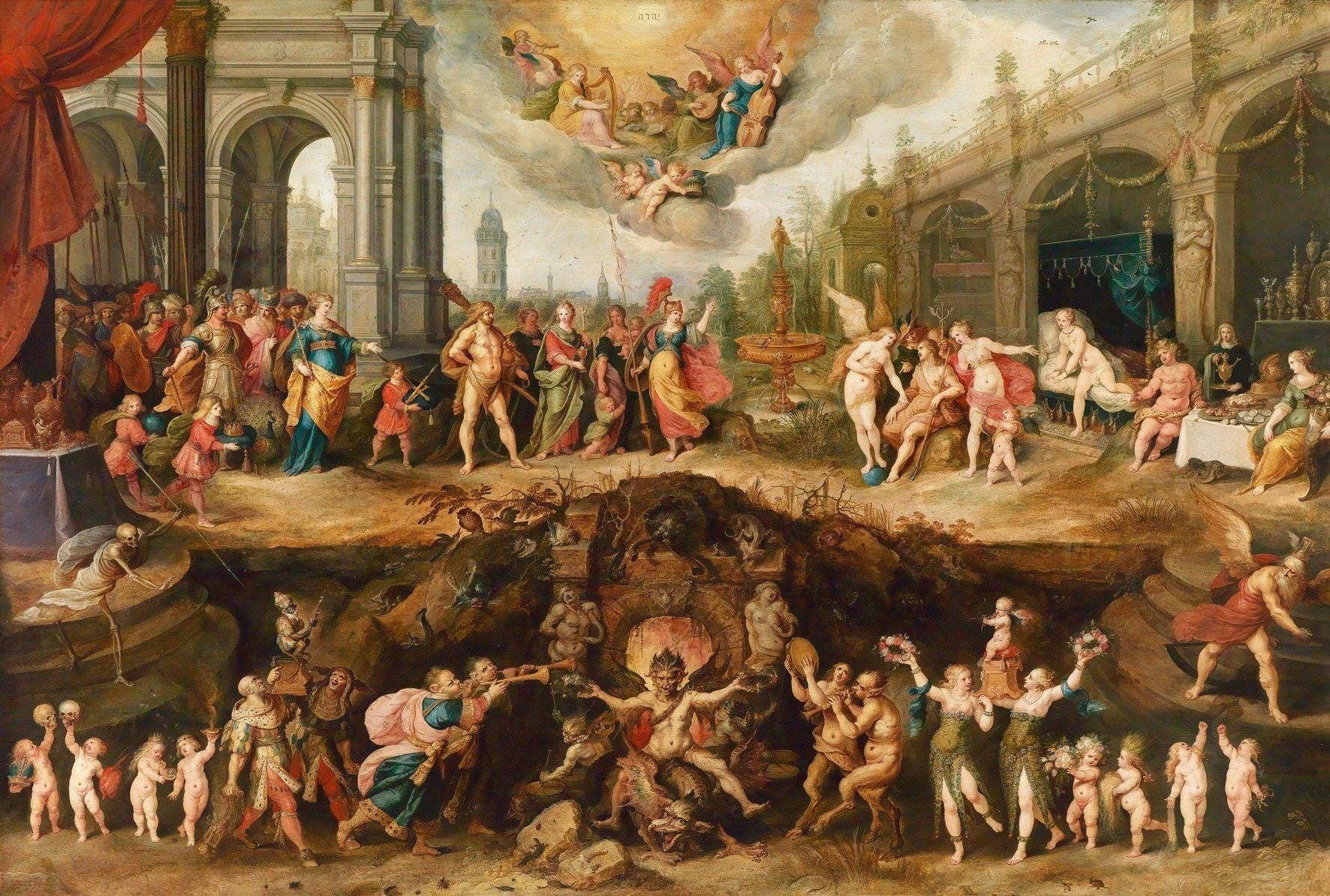
In college once, I had a disagreement with an anthropology professor about whether crime pays. He thought that the saying “Crime doesn’t pay” was silly. If crime didn’t pay, people wouldn’t do it! I disagreed. I said that as a matter of empirical fact, most criminals lead crappy lives of a sort that we would never want for ourselves. Many are in prison, and those who aren’t still have tawdry lives, surrounded by other criminals whom they can’t trust.
More recently, I attended a talk at our local ethics conference in which the speaker was arguing that it is difficult for evil people to be well off, because some virtues, such as patience, are needed to effectively pursue one’s self-interest. I found this less than fully persuasive (patience is a poor example of a moral virtue).
But it is interesting to ask to what extent virtue and vice tend to be rewarded in this world. In the long run, does vice pay?
1. Karma
Some people believe in a cosmic force known as “karma”, whereby after you do something bad, the universe conspires to send something else bad your way, in retaliation. This other bad thing will be something unrelated to the thing that you did. Like maybe if you steal something, then later you’ll slip on a banana peel and hurt yourself.
The only evidence I know of for this is that other people say it. These other people do not themselves appear to have any evidence for it. (It would be great if someone were to do a controlled study of karma, but I don’t think anyone will do it, because everyone who might do it already knows what the outcome would be.) I suspect people say this because they want it to be true. Since people do a lot of bad things, and a lot of bad things happen to people, you can probably find a lot of instances of people doing something bad and later suffering something else bad. Through confirmation bias, you notice these cases and don’t notice the good things that happened to people after they did something bad, and the bad things that happened after doing something good.
There is, however, a possibility that bad character tends to be punished through natural consequences, i.e., bad consequences that are made systematically more likely by the nature of the bad character traits.
2. Virtue Is Its Own Reward
My first point may be difficult to convince you of if you don’t initially see it: moral character is an intrinsic part of wellbeing.